Top Loader vs Panel Loader: Find Gear Faster
By Aisha Al-Rashid • 9th Dec
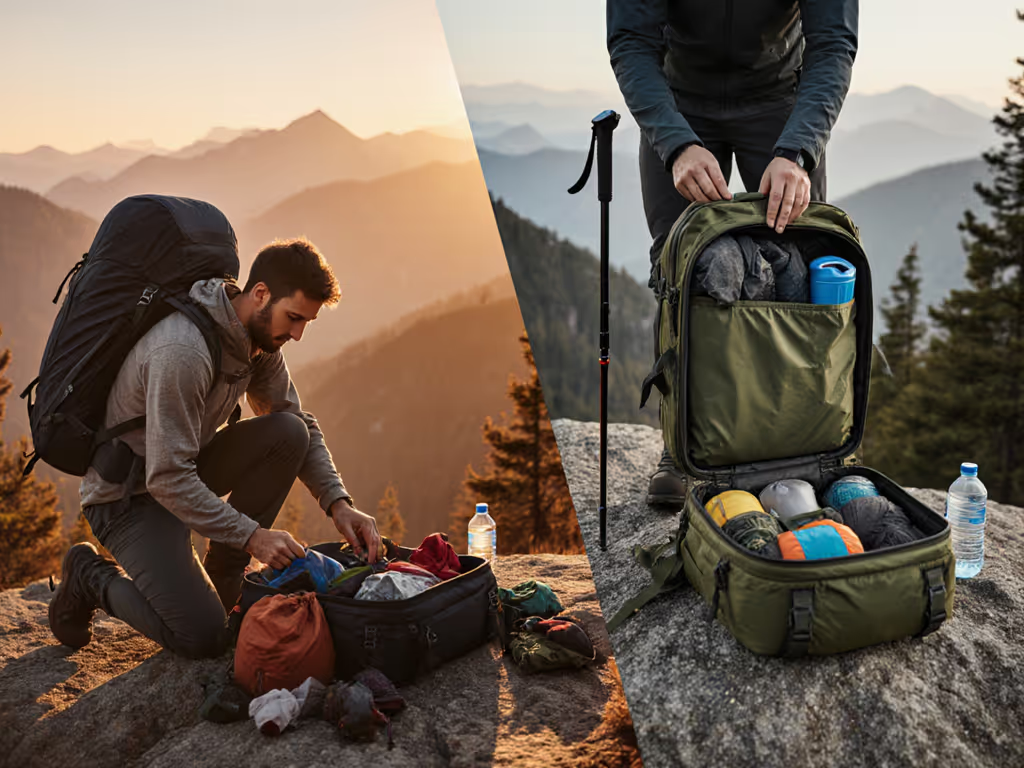
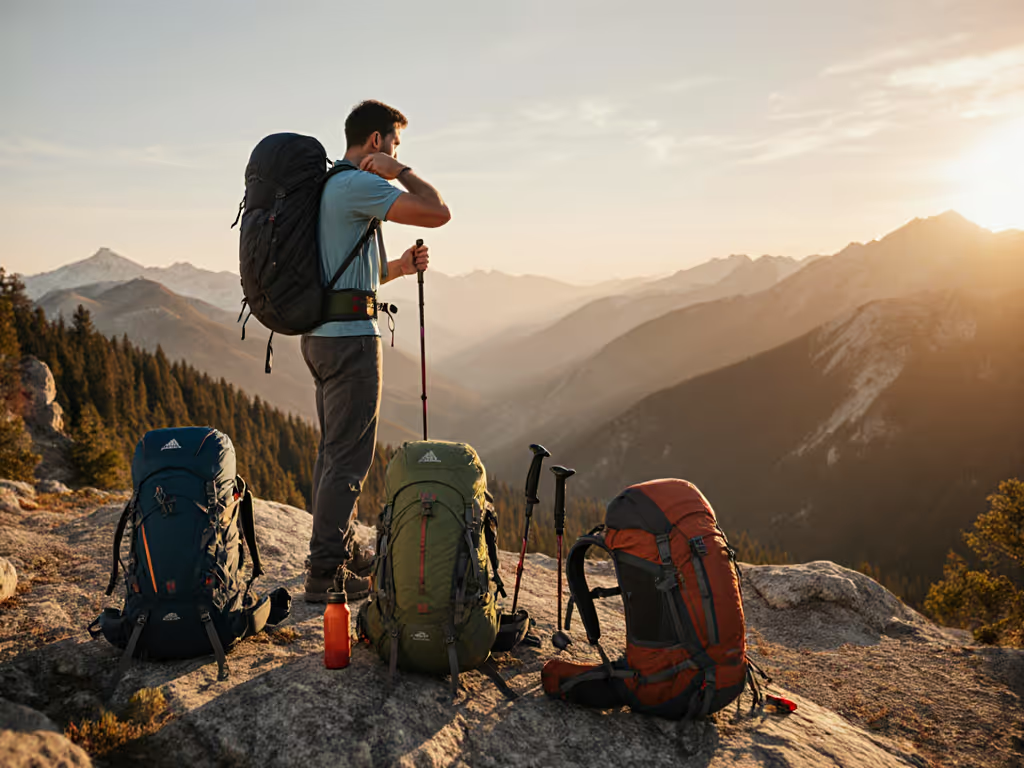
When you're deciding between top loading vs panel loading packs, you're really choosing how your trail experience unfolds. Do you want to dig through layers like searching a mystery box, or do you want to see everything at a glance like a suitcase backpack carry-on? As someone who guides beginners through their first overnights, I've seen how this single choice can make or break someone's confidence. Let's explore top loading vs panel loading so you can find your best pack for hiking without the overwhelm. Remember, hiking time is precious; simple choices protect joy and reduce friction.
1. What's the Real Difference?
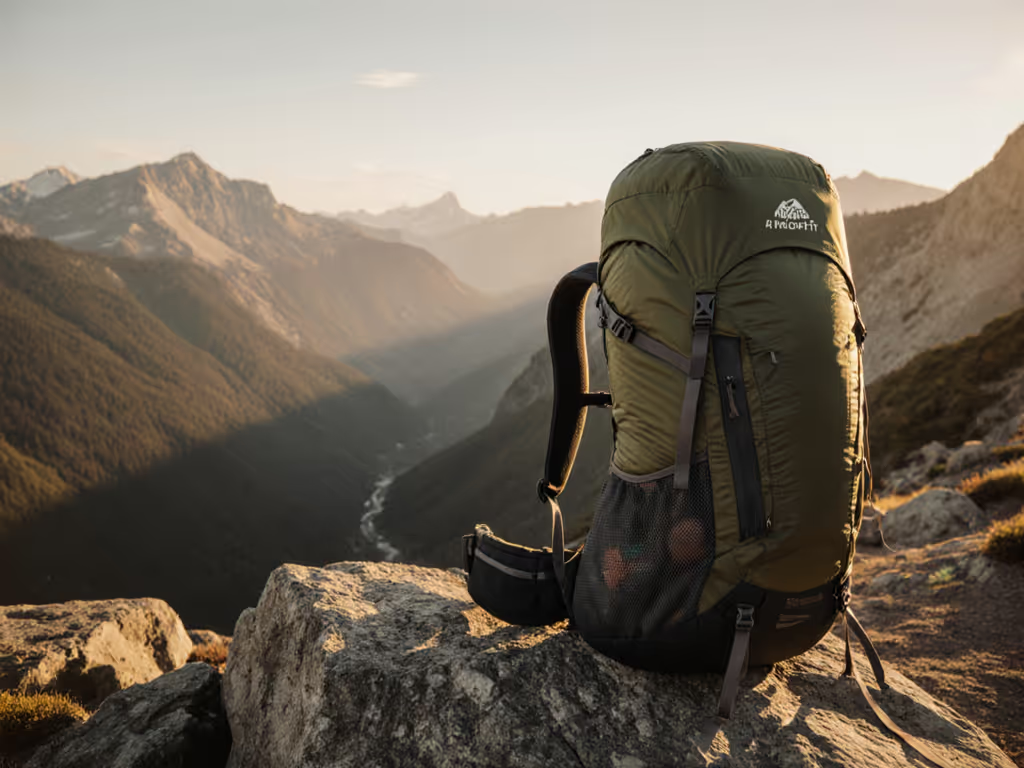
Top loaders have a single opening at the top (like a traditional hiking pack), while panel loading backpacks feature a full-front zipper that opens wide (think suitcase-style access). This isn't just about convenience; it's about how your brain processes stress on the trail. When you're tired, hungry, and need something quickly, panel loaders let you see your gear instead of fishing blindly. I remember guiding a first-timer who kept apologizing for being slow. We paused, rebalanced her load, and showed her how to organize her panel loader. Ten minutes later, she was laughing about birds overhead. Start with comfort; confidence makes the miles easier.
2. Top Loader Disadvantages for Beginners
Top loaders demand near-perfect packing order because you can't see what's buried below. Need your rain jacket at the bottom during a sudden storm? You'll unpack half your gear, a frustrating experience that eats precious trail time. Top loader disadvantages become especially clear for:
- People with mobility limitations who struggle to bend over a pack on the ground
- Those with sensory sensitivities who dislike the "black hole" effect of digging through fabric
- Anyone carrying water-heavy loads where shifting weight mid-pack risks imbalance
Pro tip: If you choose a top loader, always pack your rain gear and lunch in an outer pocket. Headed for rain? Learn proven techniques in our backpack waterproofing guide. One change at a time.
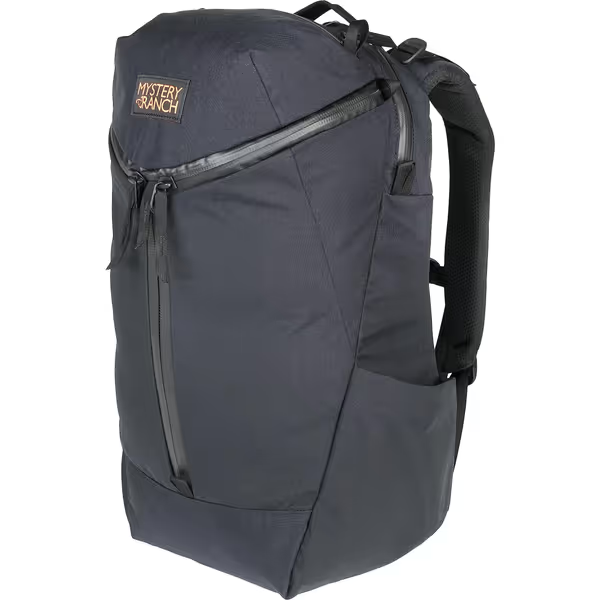
Mystery Ranch Catalyst 26 Backpack
Versatile, tough, and organized for city or trail adventures.
$134.25
Material500D Recycled CORDURA re/cor Nylon
Material500D Recycled CORDURA re/cor Nylon
Pros
Durable & Weatherproof: 500D Recycled CORDURA stands up to daily abuse.
Easy Access: Three-way zipper for full main compartment visibility.
Tech Friendly: Padded sleeves for 16" laptop and tablet.
Cons
Internal pocket organization could be improved.
Color may appear darker than product images.
Customers find the backpack to be well-made and durable, with a three-way zipper design that provides great access to the entire pack. They appreciate its functionality and travel capabilities, with one customer noting it works well in professional settings. The organization receives mixed feedback - while the top pocket is perfect for items, customers find the inside pockets in the main compartment unsatisfactory. The color receives mixed reactions, with some loving it while others note the darker shade than pictured.
Customers find the backpack to be well-made and durable, with a three-way zipper design that provides great access to the entire pack. They appreciate its functionality and travel capabilities, with one customer noting it works well in professional settings. The organization receives mixed feedback - while the top pocket is perfect for items, customers find the inside pockets in the main compartment unsatisfactory. The color receives mixed reactions, with some loving it while others note the darker shade than pictured.
3. Panel Loader Advantages Beyond Convenience
Yes, panel loaders offer suitcase-like visibility, but their panel loader advantages go deeper for new hikers:
- Predictable organization: Place items where you'll need them, not where "packing physics" demand
- Body-friendly access: Open your pack without straining your back; you can stand upright while rummaging
- Load stability: Many panel loaders keep contents compressed against your back (unlike top loaders where items shift downward)
- Confidence boost: Seeing all your gear reduces anxiety about "forgetting" something important
A panel-loading pack like the Mystery Ranch Catalyst 26 proves you don't sacrifice durability for access. It weatherproofs while giving you three-way zipper entry to the entire compartment. This matters when you're hauling camera gear or need to adjust layers quickly in changing weather. If photos are a priority, compare camera backpacks for hiking for faster, safer access.
4. The Fit Factor Most Reviews Ignore
Here's what gear sites rarely mention: panel loaders often accommodate diverse body types better. Why? Because you're not constantly leaning over your pack to dig through it (a motion that strains shorter torsos or causes hip-belt slippage on straight waists). When testing packs:
- Stand with your arms relaxed at your sides
- Have someone gently press down on your shoulders
- Note where your hip belt sits; does it stay anchored during simulated "digging" motions?
If a top loader forces you into awkward positions to access gear, that's not your body's fault; it's the pack's limitation. The right fit should feel natural, not like a yoga pose. Dial sizing with our torso length measurement guide.
5. Packing Strategy That Works for Any Style
Whichever loader type you choose, follow this beginner-friendly system:
- Heaviest items at hip-belt level (sleeping pad, water reservoir)
- Frequently needed items within top 1/3 (rain layers, snacks)
- Bulk but light items near the bottom (sleeping bag, extra clothes)
For panel loaders, treat the main compartment like dresser drawers (you'll actually see these layers). For top loaders, mentally map your "drawers" since you can't see them.
This creates stable weight distribution regardless of access style. For a deeper walkthrough, see our pack weight distribution guide. One change at a time; master this before worrying about advanced compression tricks.
6. When Top Loaders Shine (and When They Don't)
Top loaders aren't "bad"; they excel when:
- You carry ultralight loads (<15 lbs)
- You prioritize waterproofing simplicity (a single roll-top closure)
- You're thru-hiking and rarely unpack mid-trip
But for most beginners? Top loaders become frustrating when:
- Your load exceeds 20 lbs (items shift and bury essentials)
- You need frequent access to gear during the day
- You're hiking in humid climates where you constantly adjust layers
If you choose a top loader, add a front stretch pocket for daily essentials, which creates a mini-panel-loader effect without redesigning your whole system. In humid regions, backpack airflow matters—use our tropical ventilation guide to stay dry and comfortable.
7. The Beginner's Sweet Spot
As someone who's mentored hundreds through first overnights, I consistently recommend panel loaders for new backpackers. Why? They reduce cognitive load when you're already processing navigation, weather, and fatigue. When your pack works with you instead of against you, you conserve mental energy for what matters: noticing wildflowers, navigating safely, or simply enjoying the quiet. The right pack shouldn't require a Ph.D. in Tetris, especially when your shoulders are already tired.
8. Your Next Steps: Try Before You Commit
Before buying, simulate real trail conditions:
- Pack your intended gear weight (add 5 lbs for safety)
- Walk stairs while wearing it
- Practice accessing "emergency items" (rain jacket, first aid)
- Check hip-belt stability during squats
Most importantly: trust your body's feedback. Discomfort isn't "part of the process"; it's your signal to adjust. Visit a shop with diverse testers, or join a community gear swap where you can try packs worn by people with similar body types.
Related Articles