Adaptive Packs for Scooter Hiking: Stability & Durability
By Kwame Adu • 20th Apr
Adaptive backpacks for mobility scooters and other assistive devices demand entirely different engineering than traditional hiking packs (and the difference isn't luxury; it's survival). When you're hiking from a seated position, your weight distribution, center of gravity, and load path shift in ways that wreck off-the-shelf designs. This guide walks through the real-world anatomy of packs built for scooter hiking, how they compare, and which durability features and repair pathways actually keep you on the trail.
Why Standard Backpacks Collapse Under Seated Load
Traditional hiking packs assume an upright spine, shoulder engagement during dynamic movement, and a load path that travels down your back to your hips. From a scooter seat, none of that holds. Your torso is supported by the seat frame itself (not free to flex or counterbalance). That means a standard backpack's shoulder straps, which normally distribute 30 to 40% of total weight, instead become leverage points that yank your shoulders backward and inward. The hip belt, designed to sit snugly on your pelvis while standing, now presses into soft tissue at an angle that causes bruising and hip pointer pain after 2 to 3 hours.
A 22-liter pack carrying 18 pounds feels neutral on a hike. That same pack, loaded to 18 pounds and worn seated, creates rotational stress on your lumbar spine and destabilizes the scooter itself (especially on descents or tight switchbacks). The pack acts like a sail, shifting your center of gravity forward or sideways depending on load orientation.
Seated Geometry: The Real Design Problem
Hiking with assistive devices requires a complete reset of load suspension philosophy. Your seated hip angle is roughly 90 degrees, not the 120 to 130 degrees of standing posture. Load lifters (those small straps that angle from pack frame to shoulder harness) now pull upward and away from your back instead of downward and inward. A sternum strap placed for a standing torso sits too high and creates chest restriction.
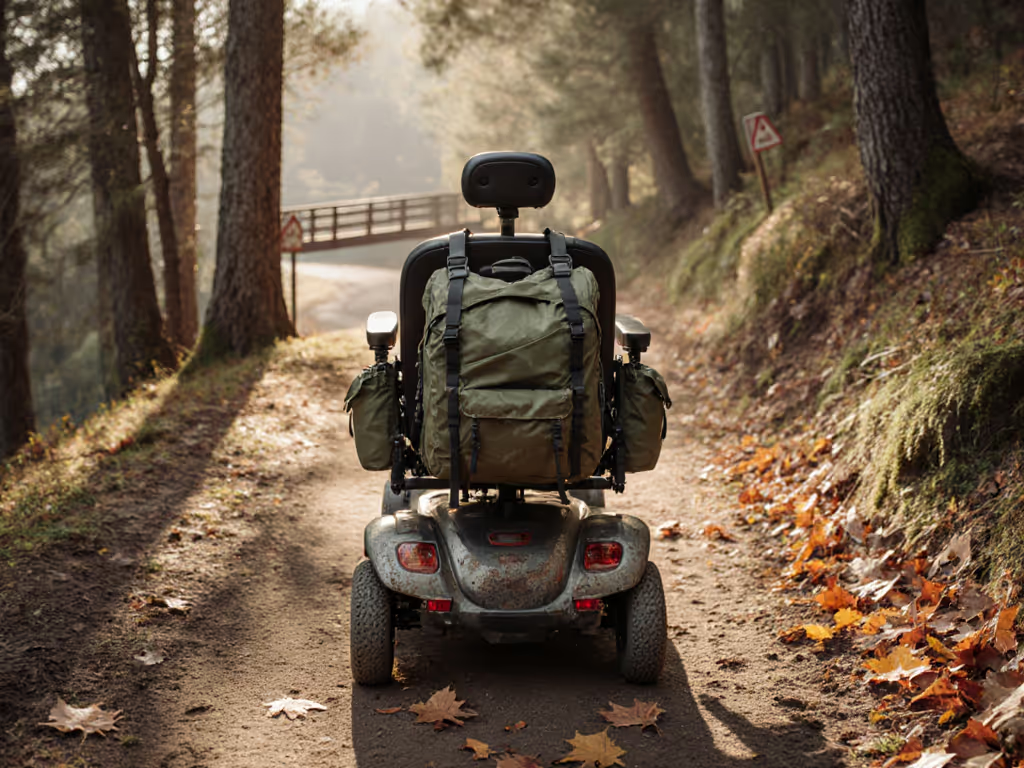
The seat itself becomes part of your load-carrying system. For device-specific routing and one-handed access methods, see our backpack modifications for mobility aids guide. Adaptive packs designed for scooter use often mount directly to the scooter frame or fasten to a seat-back extension, rather than relying solely on your shoulders and hips. This distributes weight through the scooter's suspension and wheels, not your spine.
When loads shift or swing (crossing a rocky scramble, ascending a steep pitch), a pack that floats loosely will yaw sideways. For someone in a scooter, that yaw translates directly to loss of control. You can't lean into it the way a standing hiker can.
Comparing Adaptive Pack Designs
Seat-Mounted Cargo Carriers
The first category bolts directly to your scooter seat or frame. Think aluminum-frame caddies or reinforced mesh saddlebags that straddle the seat post. Advantages: Load stays in one place; no shoulder strain; easy on/off; weight distributed through the scooter's wheels and suspension. Trade-offs: Limited volume (typically 8 to 15 liters usable); weight capacity tied to scooter engineering specs; awkward to access mid-hike if strapped behind you.
For day hikes under 12 pounds of cargo, these work well. They shine on scooter-adapted backpack features that prioritize stability over versatility. To prevent vibration-related wear and keep hardware secure over time, follow our backpack maintenance and repair guide.
Shoulder-Mounted Adaptive Harnesses
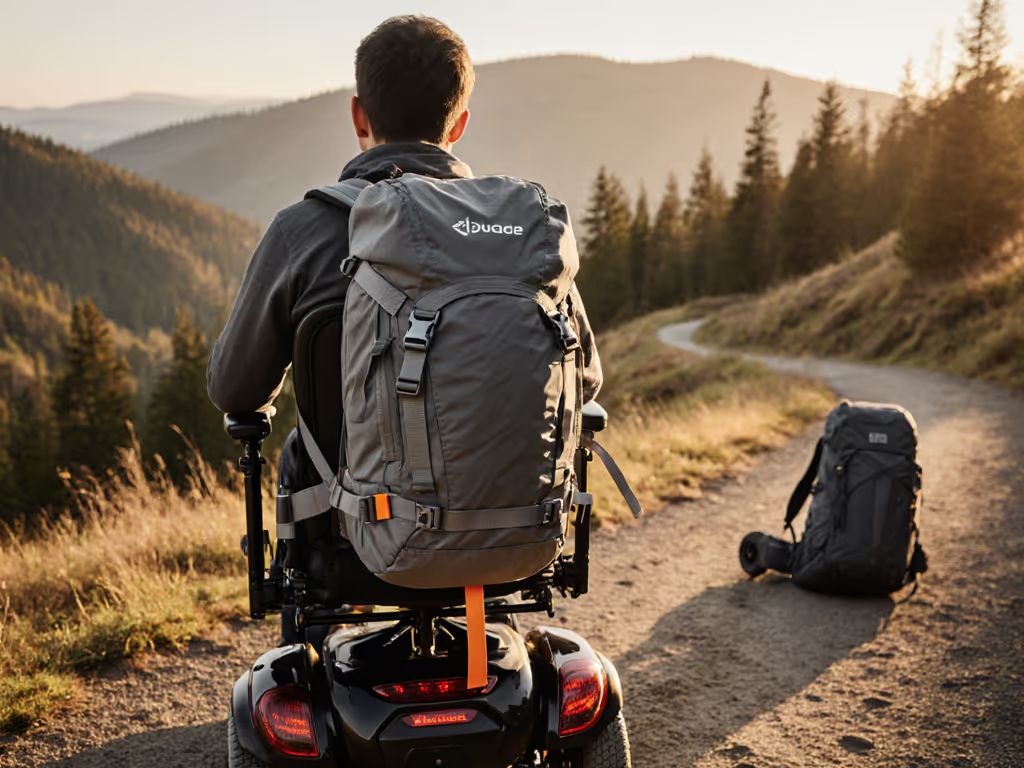
Designed specifically for seated posture, these packs use shorter harness segments, angled load lifters that work at a 90-degree hip angle, and hip belts that wrap around the seat (not your body). Advantages: Hands-free carry; more volume (18 to 28 liters); feel more like a conventional pack in use.
Related Articles