
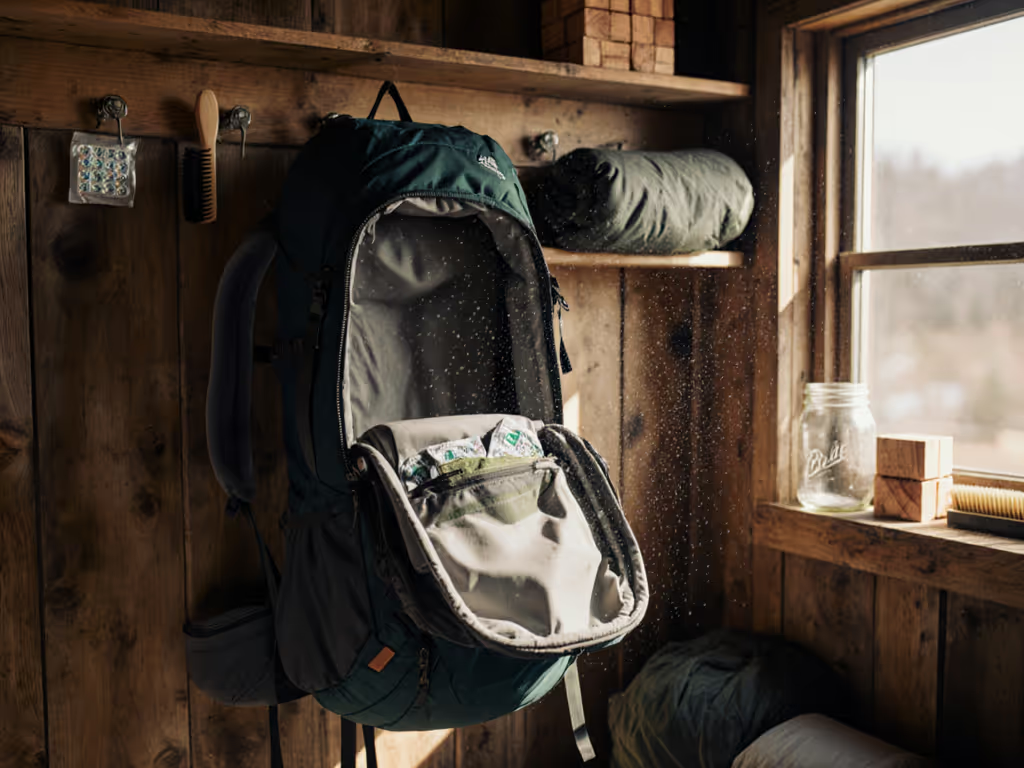
Monsoon Backpacking Waterproofing: Complete Guide
By Linnea Sørensen • 19th Feb
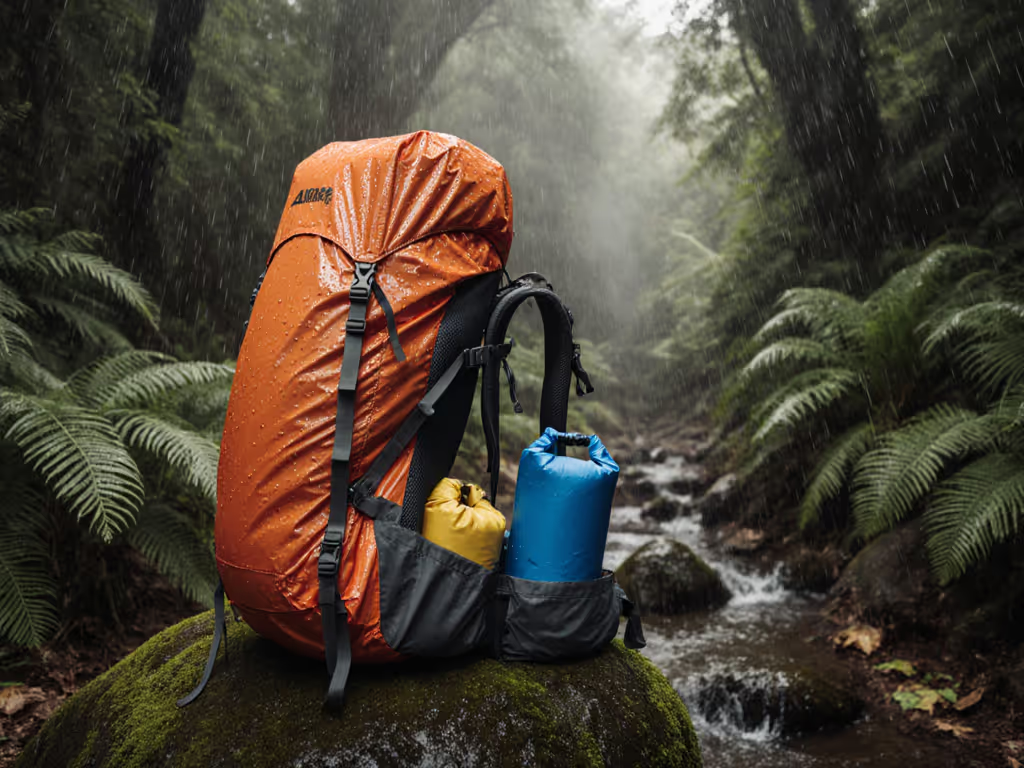
Monsoon backpacking demands a different mindset than temperate-season hiking. When sustained downpours are the forecast (not the exception), heavy rain waterproofing becomes less about staying perfectly dry and more about managing moisture strategically so you can move comfortably for days. Fit plays a quiet but crucial role here: a pack that sits well and distributes load evenly stays close to your body, reducing the churning that lets water seep through seams.
The barrier between you and discomfort during monsoon season isn't a single product (it's a layered system that respects how water moves, how your body responds to humidity, and how your pack holds up under a real-world deluge). Let's walk through the questions that matter most to backpackers facing tropical rain backpack protection and sustained downpour strategies.
What's the First Priority: Rainwear or Waterproofing the Pack?
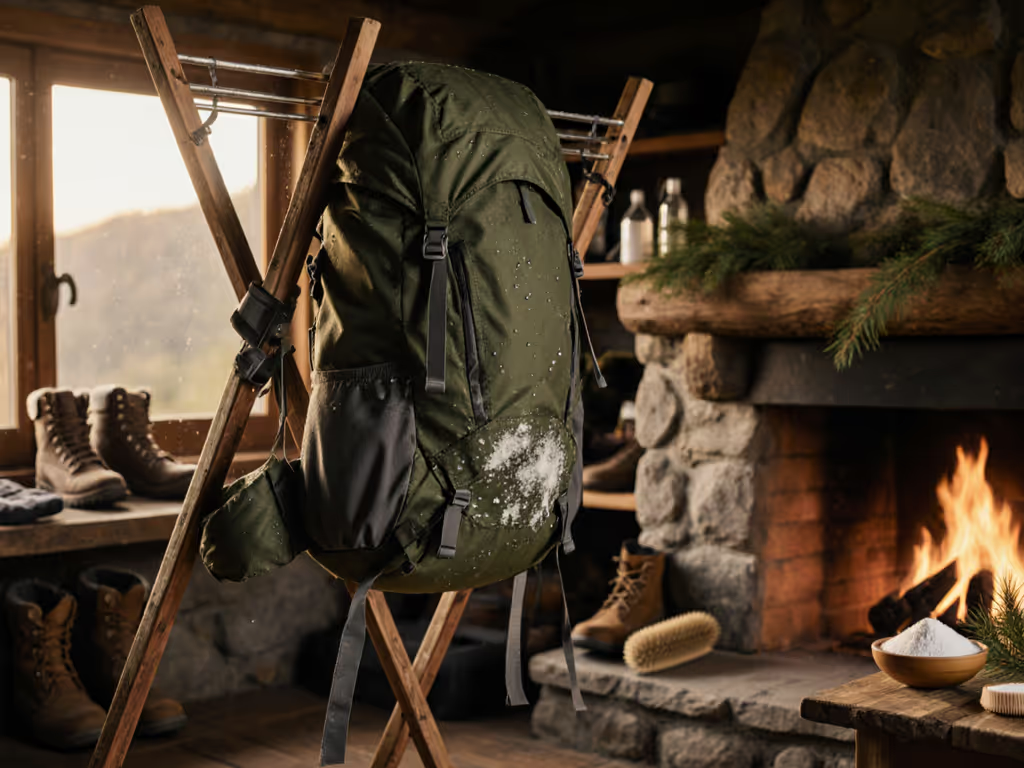
Both matter, but they solve different problems. Your body's immediate comfort depends on rainwear; your sleeping system's survival depends on pack waterproofing. For step-by-step methods, see our backpack waterproofing techniques that pair liners, covers, and seam care for sustained rain.
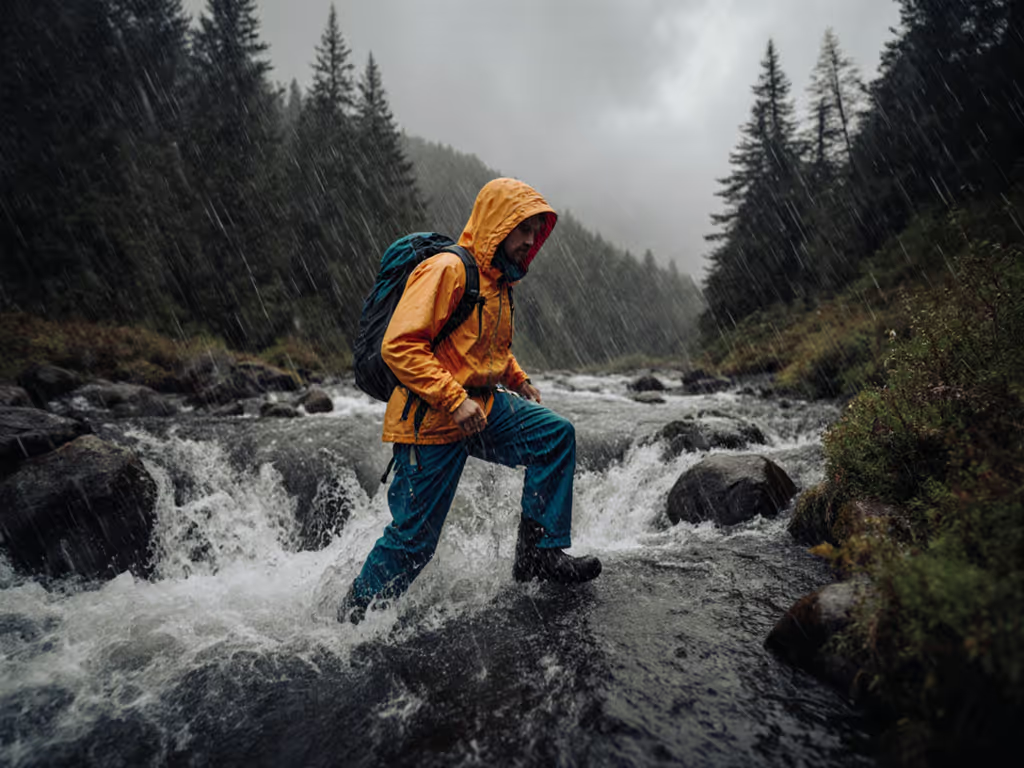
Start with a hard-shell jacket and rain pants (not a soft shell alone). A hard shell offers full waterproof protection when conditions turn relentless. Look for one with a hood that has a visor to keep rain off your face and glasses. A rain hat with a wide brim layered underneath adds another shield. Avoid cotton entirely; wool, nylon, or polyester layers underneath wick sweat and dry quickly, preventing the clammy chill that leads to hypothermia.
For your feet, the calculus shifts based on season. In milder monsoon months, lightweight mesh trail running shoes dry faster than waterproof boots when you eventually get wet (and you will get wet). Dry socks in your pack matter more than dry feet on trail. In cooler monsoon conditions, waterproof boots paired with gaiters and extra dry pants give you warmth initially, though the tradeoff is slower drying.
Rain pants deserve their own moment. If you skip them for breathability, pack gaiters to shield your sock line and boot tops, plus extra dry pants for camp. The goal isn't perfection; it's having dry kit waiting for you at rest stops and in your sleeping bag.
How Do You Actually Waterproof a Backpack from the Inside?
Most backpacks are water-resistant at best or leak through seams as fabric wears. Plan for this. The two main approaches are pack liners and dry bags, and both work, so choose based on your habits.
Pack liner approach: A pack liner inflates your sleeping pad and creates a barrier for everything inside. A simple trash compactor bag twisted at the top is a budget option; specialty liners like the Exped Schnozzel are more durable for frequent monsoon trips. This method covers most of your gear in one seal.
Dry-bag approach: For smaller items and maximum confidence, use waterproof stuff sacks or small roll-top dry bags for phones, cameras, and insulation layers. Pair this with a pack liner for your sleeping bag, and you've built redundancy. If your camera or first aid kit is doubly bagged (once in a waterproof pouch, then in a chest pack with a water-resistant zipper), nothing reaches it.
The layering principle applies here too. A rain cover on the outside helps, though rain covers can snag and fail under heavy, prolonged rain. Real protection happens inside your pack. Stack your defenses: exterior rain cover, then a pack liner, then individual dry bags for critical items. This is not overkill in monsoon conditions.
What About Seam Sealing and DWR Coating?
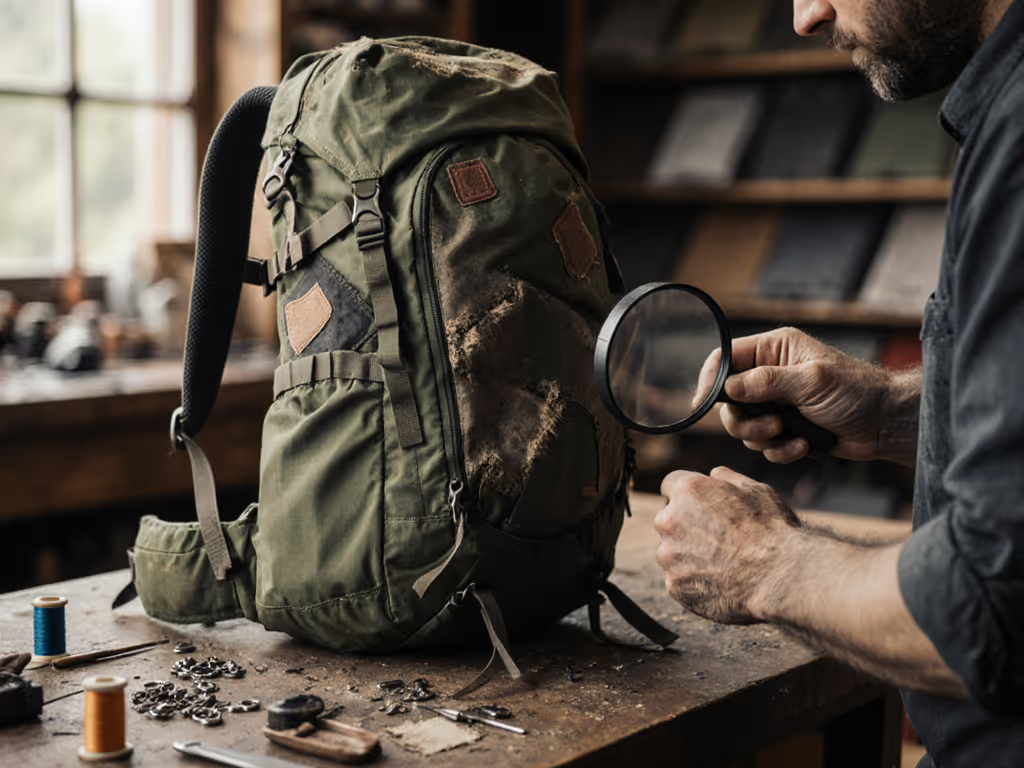
Water finds seams, and seams fail over time. Before any monsoon trip, check your rainwear's Durable Water Repellent (DWR) coating. Do water drops bead up and roll off? Good. If they sit and soak in, your DWR is exhausted. The encouraging news: renewing a DWR coating can restore performance without replacing the jacket. For a deeper dive into coatings, fabric weaves, and denier, read our backpack fabric science guide. This extends gear life and keeps you from unnecessary waste.
For your pack, seams are harder to seal, but you can still inspect them. Look for dark spots, discoloration, or visible stitching gaps. Many seams under a pack's rain cover or lid stay drier than others. For rainwear, prioritize sealing the bottom edges and underarm seams where water can pool.
Sleeping Bag or Quilt: Down or Synthetic in Monsoons?
This choice feels abstract until you're on day three of rain and need to stay warm. Synthetics handle moisture better and dry faster than down, making them a practical choice if you backpack frequently in monsoon regions. Synthetics won't accumulate moisture the way down does, especially in cramped shelters where condensation builds.
Yet even down can work well in extended rain if you keep it dry (which brings us back to pack waterproofing and tarp setup). Down bags accumulate moisture over time, especially with condensation from shelter walls. Many backpackers split the difference: a down quilt for warmth and a synthetic jacket for quick-drying insulation at camp. If either gets wet, take advantage of any break in clouds during the day to dry things trailside. Thirty minutes of sun can pull surprising amounts of moisture from a compressed bag.
How Do You Dry Gear During a Monsoon Trip?
Seize weather windows ruthlessly. Rain will return, so when it doesn't, dry whatever you can: spread your quilt in a patch of sun, hang damp layers on cord strung between trees, wring out your socks. Dry gear matters more than making time, so halt immediately and let the sun work its magic.
If rain breaks for a day, consider laying over to fully dry out after a storm, especially if more wet systems are heading your way. In persistently humid forests, improve comfort with tropical ventilation strategies to reduce back sweat and speed drying on the move. This isn't laziness; it's maintenance. A thoroughly dried quilt and base layers improve your thermal margin for the next round of rain.
Choose higher, drier ground for camp. Look for sites under trees, which create a warmer microclimate and lower condensation, but avoid damaged limbs overhead. Don't camp in low areas between rises, where rain channels and pools. Orient your tent door away from the wind so rain doesn't blow in. These small choices compound into fewer wet nights.
How Does Pack Fit Change in Heavy Rain?
This is where fit becomes care, not vanity. When you're carrying a waterproofed pack heavier with water-mitigation gear (dry bags, liners, extra insulation), the weight shifts and the pack's balance matters more. A pack that fits well distributes that load across your hips and torso so nothing pinches, numbs, or bruises, especially over days of rain when your mood and energy drop.
Before monsoon season, listen to the belt. Is your hip belt sitting level across both sides? Does it feel stable when you side-hill or scramble, or does it slip? A pack that settles properly against your body (with torso length matched to your spine and load lifters angled to pull the load toward your center) stays in place even when wet fabric clings and everything feels heavier.
The fit adjustments matter more in sustained rain because discomfort accelerates to pain faster when you're also managing moisture, cold, and fatigue. A comfortable fit is the foundation of every other strategy.
What's the Realistic Vision for Monsoon Backpacking?
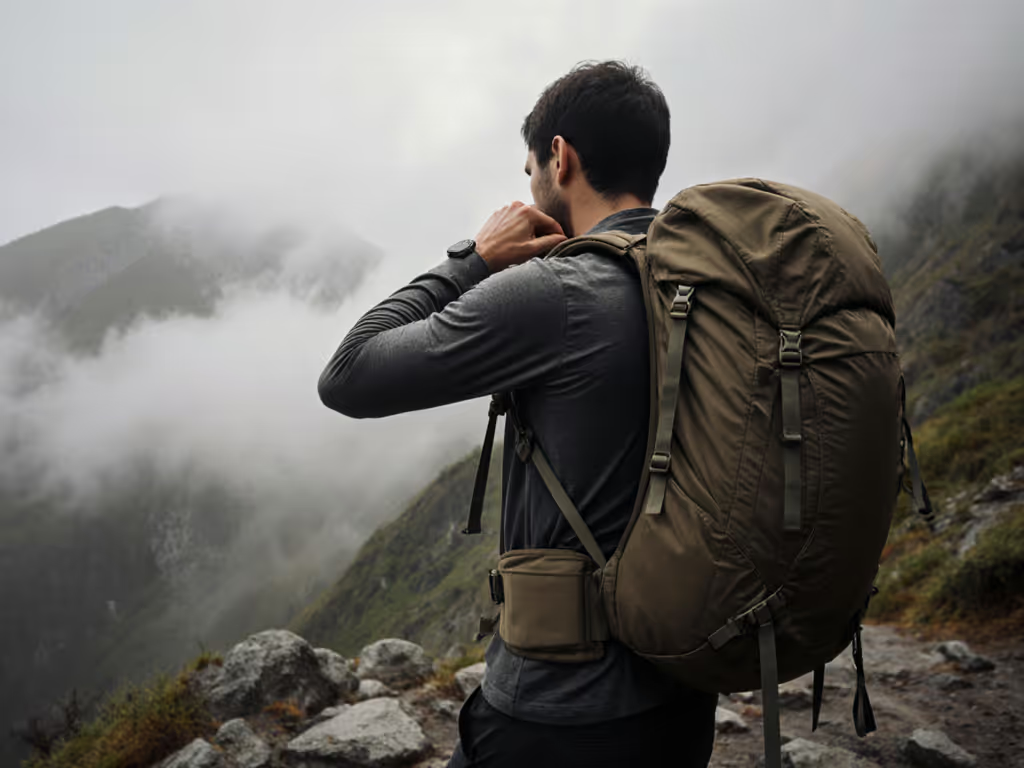
You will get wet. Your gear will get wet. The question is whether that's a temporary inconvenience or a cascade of problems. With monsoon hiking gear properly layered (rainwear, pack waterproofing, dry bags, strategic drying), wet becomes manageable. You move through rain with clear sight lines, a stable pack, dry insulation waiting in your bag, and the confidence that tomorrow's weather won't trap you cold.
This isn't about achieving perfect dryness. It's about respecting the season, respecting your body, and building systems robust enough to let you enjoy the power and beauty of monsoon landscapes without suffering. A hiker I met at a community fit event once whispered they thought backpacking wasn't for their body, until we adjusted their pack's torso, repositioned the belt, and rerouted the load lifters. Posture relaxed as pain faded. That's what fit offers in hard conditions: permission to keep going.
Summary and Final Verdict
Monsoon backpacking waterproofing rests on three pillars: layered rainwear that drains and dries quickly, pack-level protection using liners and dry bags, and a fit that remains stable and comfortable under weight and moisture. Renew your DWR before the season, choose insulation that tolerates dampness, and seize every weather window to dry essentials. Your pack should adapt to the load and conditions, not the other way around. With these strategies in place, sustained downpours become a feature of the landscape, not a barrier to the trail.
Related Articles
Care, Maintenance & Weatherproofing
Hiking Backpack Maintenance: Extend Lifespan With Proven Repairs
Use data-backed maintenance to keep load paths aligned for a quiet, stable carry at real trail weights. Get clear thresholds and fixes for hip belts, zippers, and frame sheets - plus cleaning and waterproofing practices that prevent small failures from undermining comfort and longevity.