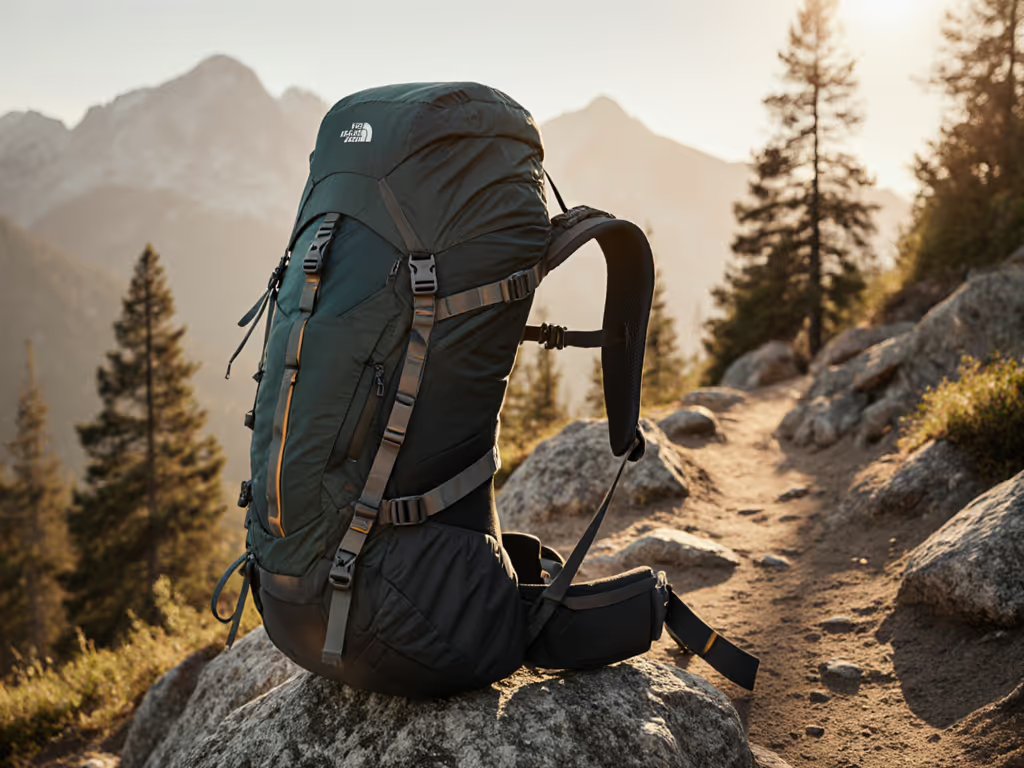
National Park Backpack Comparison: Bear Cans to Coastal Gear
By Diego Nakamura • 23rd Feb
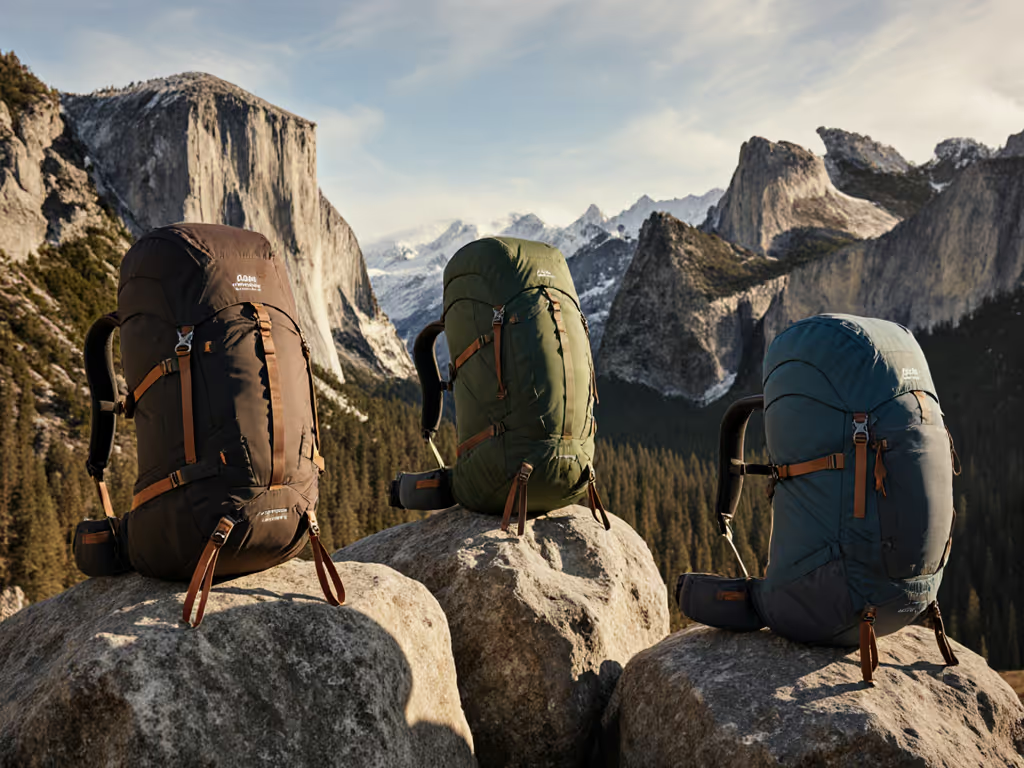
Choosing a national park backpack means accepting one hard truth: there is no single pack that masters all terrain. A location-specific pack built for Yosemite's bear-country regulations, steep climbing, and alpine water scarcity will feel overbuilt on the gentle coastal trails of Acadia. Conversely, a lightweight coastal rig won't carry the rigid frame or organizational complexity that Glacier's long water hauls and scrambling terrain demand. The real art is matching capacity, carry height, and pocket logic to the specific park (and to your actual load) in degrees of daily comfort.
Value is comfort-hours per dollar, not checkout-line price.
I learned this years ago managing a nonprofit gear library with a tight quarterly budget. Faced with a choice between two budget packs or one durable mid-tier pack, I chose the latter. A year later, the good pack had booked out nearly every weekend, with a new hip-belt installed. The others had retired to the closet after ten trips apiece. That difference (durability measured in trail calendars, not price tags) is the real value ladder most shoppers miss.
The Core Decision: Capacity and Park Terrain
Before comparing packs model-to-model, anchor your choice to the park's geography and your trip style.
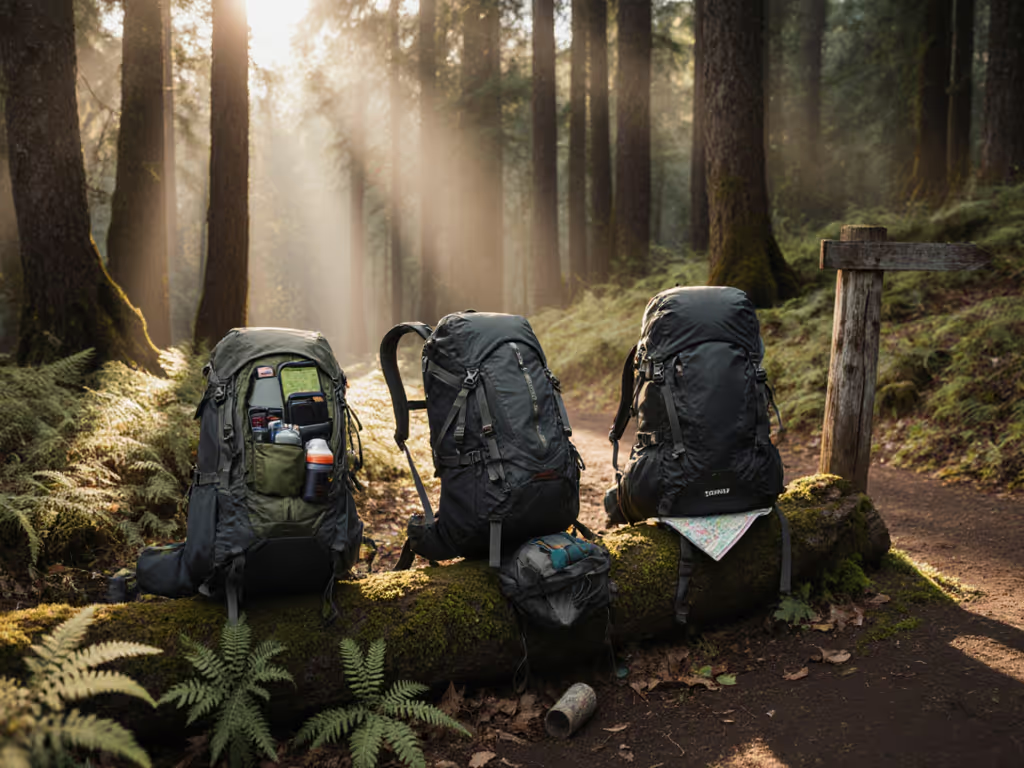
Yosemite demands bears-in-mind logistics: either a rigid bear canister (roughly 750 cubic inches) or a bear-resistant canister that reshapes your pack organization. The canyon and high-country terrain includes steep pitches, exposed ridges, and minimal water, meaning you'll carry 8 to 14 liters of liquid weight on some days. You need a pack that seats weight low, keeps load stable on sidehill scrambles, and offers weatherproofing for sudden alpine weather. Capacity: 55-65 L with adjustable suspension.
Acadia and coastal parks mean ocean views and maintained trails, but also coastal rain, fog, and the need for quick-access organization. You'll rarely carry more than 30 pounds, often less. Moisture-wicking back panels and good backpack ventilation matter more than rigid frames. You need a pack that breathes and drains fast, with pockets positioned for tide-table printouts, insect cream, and a camera. Capacity: 40-50 L with semi-minimalist design. If your routes hug salty, sandy shores, see our coastal backpack comparison for corrosion-resistant designs.
Glacier sits between extremes. Grizzly country, water crossings, and long approach hikes mean you're carrying substantial loads (35-45 pounds) over rough ground and in unpredictable weather. You need a pack with a stiff frame, load-lifter angles tuned to mountaineering-style loads, and organizational depth for ice axes, bear spray, or extra insulation. Capacity: 60-75 L with frame modularity.
Related Articles